Chess: The Ancient Indian Game of Strategy
Explore the fascinating world of Chess, a game that has captivated minds for over 1500 years
Table of Contents
History and Origins of Chess ♟️
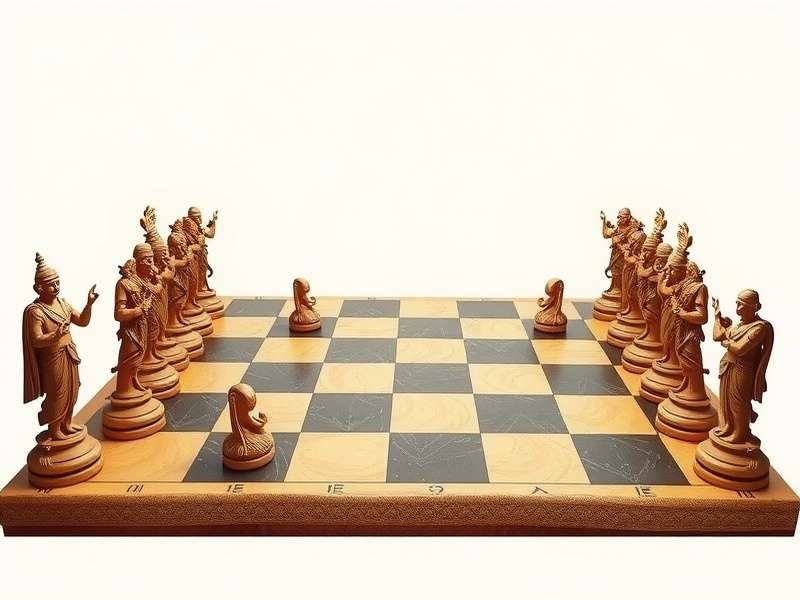
The game of Chess originated in India during the Gupta Empire around the 6th century AD. Initially known as Chaturanga, which means "four divisions" in Sanskrit, the game simulated Indian military strategy of the time.
Chaturanga featured pieces representing the four divisions of the Indian army: infantry, cavalry, elephantry, and chariotry. These would eventually evolve into the modern pawn, knight, bishop, and rook respectively.
? Historical Note: The earliest reference to Chess comes from the Sanskrit text "Vasavadatta" by Subandhu, dating to around 600 AD.
From India, Chess spread to Persia, where it became known as Shatranj. After the Islamic conquest of Persia, the game traveled across the Muslim world and eventually reached Europe through Spain and Italy by the 10th century.
The modern rules of Chess began to take shape in Europe during the 15th century. Significant changes included the powerful queen and bishop movements we know today, making the game faster and more dynamic.
By the 19th century, competitive Chess tournaments began emerging, with Wilhelm Steinitz becoming the first officially recognized World Chess Champion in 1886.
Game Rules and Setup ?
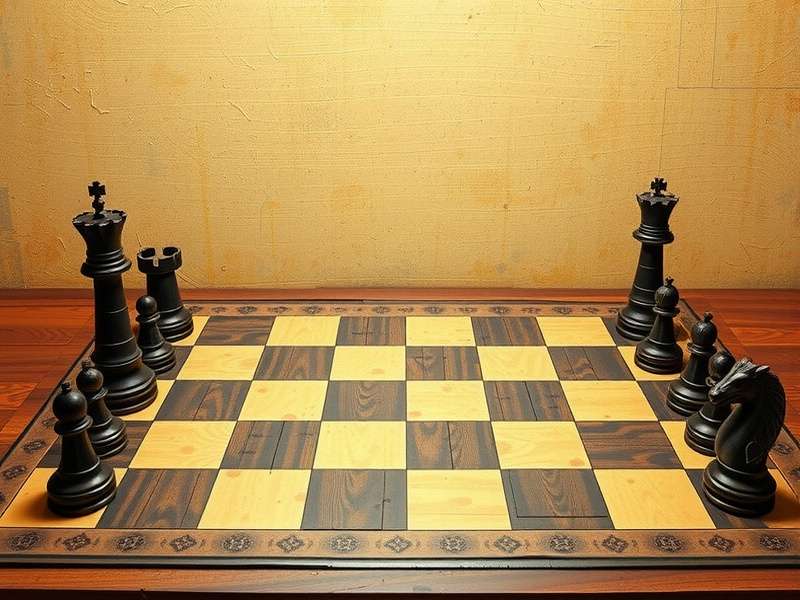
Chess is played on an 8x8 checkered board with 64 squares arranged in alternating light and dark colors. Each player begins with 16 pieces: one king, one queen, two rooks, two bishops, two knights, and eight pawns.
The objective of Chess is to checkmate the opponent's king. This occurs when the king is under immediate attack (in check) and there is no legal move to escape the threat.
Basic Rules Overview
Players alternate moves, with White always moving first. Each type of piece moves in a distinct way, and pieces capture by moving to squares occupied by opponent pieces.
Special moves include castling (moving the king and rook simultaneously), en passant (a special pawn capture), and promotion (when a pawn reaches the opposite side of the board).
? Key Rule: The game can end in checkmate (win/lose), stalemate (draw), resignation, or draw by agreement, insufficient material, or repetition of moves.
Chess Pieces and Movements ♜♞♝♛♚♟
The King
The most important piece in Chess. It moves one square in any direction. The game ends when the king is checkmated.
The Queen
The most powerful piece. It can move any number of squares along ranks, files, or diagonals.
The Rook
Moves any number of squares along ranks or files (horizontally or vertically). Participates in the special castling move with the king.
The Bishop
Moves any number of squares diagonally. Each player starts with one bishop on light squares and one on dark squares.
The Knight
Moves in an L-shape: two squares in one direction and then one square perpendicular, or one square in one direction and then two squares perpendicular. The knight is the only piece that can jump over other pieces.
The Pawn
Moves forward one square, but captures diagonally. On its first move, a pawn may advance two squares. Pawns can be promoted to any other piece (except a king) upon reaching the opposite side of the board.
? Did You Know? The unusual movement of the knight makes it particularly valuable in closed positions where other pieces have limited mobility.
Strategies and Tactics ?
Chess strategy involves evaluating positions and setting up long-term goals, while tactics focus on immediate maneuvers and threats.
Opening Principles
Good opening play follows several key principles: control the center, develop pieces to active squares, ensure king safety (usually through castling), and avoid moving the same piece multiple times unnecessarily.
Middle Game Tactics
Common tactical motifs include forks, pins, skewers, discovered attacks, and sacrifices. Recognizing these patterns is essential for successful play.
Endgame Techniques
With fewer pieces on the board, precise technique becomes crucial. Key endgame concepts include king activity, pawn promotion, opposition, and zugzwang (when any move worsens the position).
? Pro Tip: World Champion José Raúl Capablanca advised: "In order to improve your game, you must study the endgame before everything else."
Modern Chess strategy has been heavily influenced by computer analysis, revealing new insights into positions previously considered unclear or equal.
Chess Variants Worldwide ?
While standard Chess is played worldwide, numerous variants exist that alter rules, board size, or piece movements.
Historical Variants
Chaturanga (the original Indian version), Shatranj (Persian), and Medieval Chess all had different rules and piece movements compared to modern Chess.
Regional Variants
Xiangqi (Chinese Chess), Shogi (Japanese Chess), and Janggi (Korean Chess) are significantly different games that share a common ancestor with Chess.
Modern Innovations
Fischer Random Chess (Chess960) randomizes the starting position of back-row pieces to minimize memorization of opening theory. Other variants include Three-check Chess, Bughouse, and 4-player Chess.
? Interesting Fact: Fischer Random Chess was invented by former World Champion Bobby Fischer to preserve the creativity and originality he felt was being lost in traditional Chess.
Cultural Impact and Significance ?
Chess has profoundly influenced global culture, appearing in art, literature, film, and psychology. It is often used as a metaphor for strategy, conflict, and intellectual pursuit.
In Literature and Art
From the medieval love poem "Scachs d'amor" to Lewis Carroll's "Through the Looking-Glass," Chess has inspired countless works. Marcel Duchamp, one of the most important artists of the 20th century, abandoned art to pursue Chess professionally.
Educational Value
Chess is recognized for developing critical thinking, problem-solving skills, and concentration. Many schools worldwide have incorporated Chess into their curricula.
Psychological Studies
Chess has been extensively studied in psychology, particularly in research on expertise, memory, and decision-making. Studies of chess masters have contributed significantly to our understanding of human cognition.
? Cultural Reference: The 2020 Netflix series "The Queen's Gambit" sparked a global resurgence of interest in Chess, particularly among women and girls.
Modern Competitive Chess ?
Today, Chess is played competitively at all levels, from local clubs to international championships. The World Chess Championship represents the highest level of competition.
Rating Systems
The Elo rating system, developed by Arpad Elo, quantifies player strength. Grandmasters typically have ratings above 2500, while the world's best players often exceed 2800.
Notable Champions
The lineage of World Chess Champions includes legendary players like Emanuel Lasker, José Capablanca, Alexander Alekhine, Mikhail Botvinnik, Bobby Fischer, Garry Kasparov, and current champions.
Computer Chess
The development of chess engines like Stockfish and Leela Chess Zero has revolutionized analysis and preparation. In 1997, IBM's Deep Blue defeated reigning World Champion Garry Kasparov in a historic match.
? Technological Milestone: The victory of Deep Blue over Kasparov marked the first time a reigning world champion lost a match to a computer under standard tournament conditions.
Online platforms have made Chess more accessible than ever, with millions playing daily on sites like Chess.com and Lichess.org. The future of Chess continues to evolve with new technologies and formats.
Conclusion
From its ancient Indian origins to its current status as a global phenomenon, Chess has demonstrated remarkable endurance and adaptability. This timeless game continues to challenge and delight players of all ages and skill levels around the world.
Whether played for recreation, competition, or intellectual exploration, Chess offers endless possibilities for discovery and growth. Its rich history, deep strategy, and cultural significance ensure that this ancient Indian game will continue to captivate minds for centuries to come.
? The beauty of Chess is that it can be whatever you want it to be. It can be a recreation, an art, a science, or a sport—sometimes all at once.